Nearly all investors in 401K type pension plans will underperform the market: why?
In most years, some 80% or more of all mutual funds will underperform the market. From 2011 through 2021, 83% of large cap US equity funds underperformed the S&P 500 index.
There are four primary reasons why our pension plans and mutual funds underperform the market.
These are:
- High asset management fees
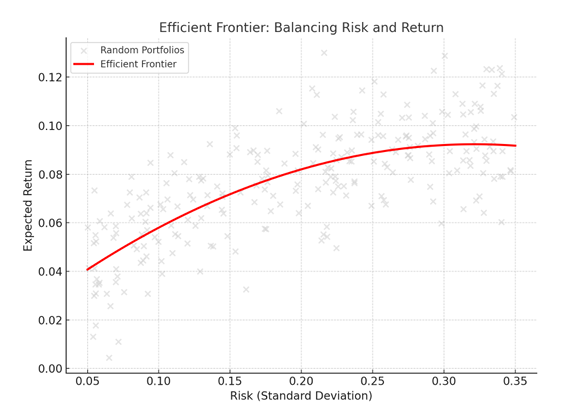
- Over diversification
- Under diversification or strategic selection error, and to a lesser extent
- Trading and turnover costs
Among these, high fees are the biggest factor for woeful performance. Mutual fund fees often charge 1% or more of the assets each year as a fee. ETFs (Exchange Traded Funds) based on specific indices will often charge .2% or less, so in general ETFs are better than mutual funds.
Over diversification is another problem. For example, you wish to buy securitized commercial real estate (REITs) and you buy a mutual fund that includes all of the major food groups in proportion to their market weights. In such a case, you will acquire not only industrial property and multifamily property that has done well for more than a decade, but you will also acquire retail and office, both of which have had more problems. If you wish only to own industrial, multifamily and data storage property, then you will need to select a subgroup or individual REITs.
Under diversification is another way of saying that fund managers are overweighting bets on certain stocks. Early in the life cycle of a mutual fund that is trying to outperform a market index like the S&P 500, managers will need to place larger bets on certain sectors or stocks. Otherwise, they will simply match the overall index and do so with higher management fees. These heavier bets sometimes result inbeating the market. Often, they do not, but in any case, they usually do so with higher-than-average risk, betting on higher growth and higher volatility companies. Mature investment managers with a large stable client base generally try and closet index, that is, closely match the index so they do not lose clients.
Last, trading and turnover costs can lower net returns. Trading costs have been greatly reduced in recent years, but active managers chasing winners will generally underperform.
What should an investor do? The answer is fairly simple. If you can avoid mutual funds, do so. If you wish broad market exposure with lower fees, consider ETFs. If you wish to manage your portfolio risk level and you are not interested in day trading, then focus on fundamentals and forward-looking analysis on combinations of stocks. Ideally, use tools that allow you to select reasonably priced individual stocks and also analyze how these stocks affect overall portfolio risk.